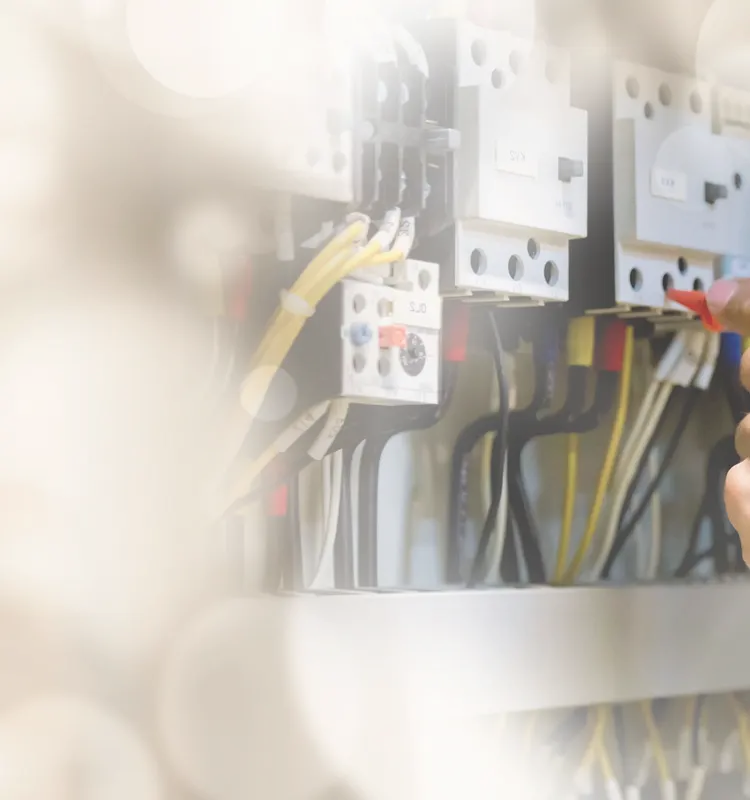
The homes in Oneida were built largely in the fifties and sixties, and the panels and wiring that went in then were sized for far fewer circuits than a household runs today. Our network of electrical contractors in Green Bay handles these houses regularly, and a professional electrical panel upgrade is one of the most common calls that comes in from Oneida homeowners noticing breakers that trip without warning or fuse boxes with no room left.
When the wiring in a house is decades old and the load on it has doubled, a local electrician who knows these homes is worth more than a general one who has to learn them on the job.
Knowing Oneida Homes Changes What the Work Involves
A local electrician working in Oneida knows that most of these houses carry original panels that were never upgraded, that the wiring runs through finished basements where access is limited, and that the panel almost always lives against an exterior wall or in a utility room off the kitchen.
Two kinds of work come up constantly in these houses: panels that have run out of capacity and circuits that were never added when a room changed use. Homeowners in nearby De Pere, WI electrical services face some of the same issues, though the houses there were built on different timelines.
If something in your house is warm to the touch, flickering, or tripping without a clear reason, getting it looked at now keeps a small problem from becoming a large one.
Electrical Work Matched to How Oneida Homes Are Built
An off-the-shelf approach fails in houses built this way because the wiring is inside finished walls, the panel is often in a tight space, and running a new circuit means planning around a basement ceiling or an interior wall that was not built to be opened.
Detached homes here often have a garage or outbuilding on a long run from the main panel, which changes how a new circuit is priced and planned. Homes with finished basements require more planning before a wall is touched. Expert ceiling fan installation in a house with no attic access above the first floor, for example, involves a different approach than the same job in a newer open-framed house.
Four services that fit these houses well are quality electrical wiring for rooms that were never properly circuited, specialist outlet repair for receptacles that have gone warm or stopped holding a plug, reliable generator installation for homes where the panel has room to add a transfer switch, and professional home electrical inspections for homeowners who want to know exactly what they have before they add anything new.
What the Age of Oneida Homes Still Decides Today
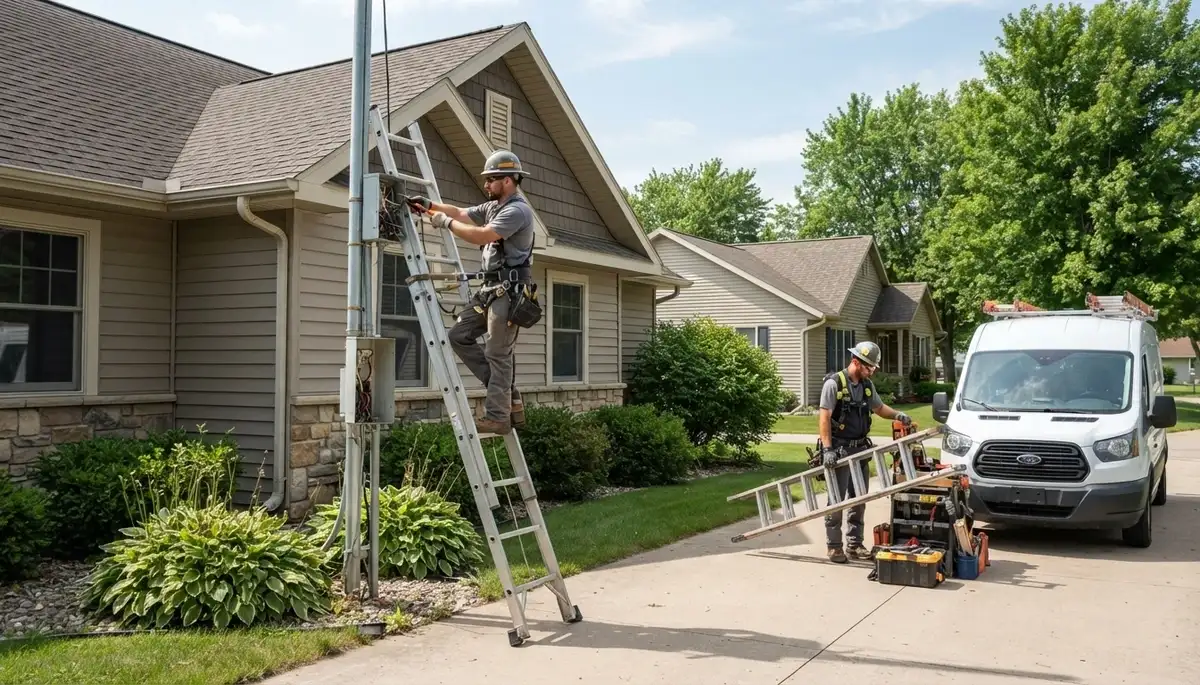
Most of the houses in Oneida went up in the fifties and sixties, a period when sixty-amp service was standard and a household ran a handful of circuits. What was installed then includes fuse boxes, two-prong outlets throughout, and wiring that was never designed to carry a modern kitchen, a home office, and a car charger at the same time. Three things follow from that and still shape every job: the panel is almost certainly undersized, the grounding is incomplete or absent, and the circuit count is too low for how the rooms are used now.
Fuses Instead of Breakers
A fuse box that has been in place since the house was built is not just inconvenient when one blows. Fuses that have been swapped for a higher rating to stop nuisance trips create a fire risk because the wiring behind them was never rated for that load. Left alone, the heat that builds at those connections works on insulation over years until it fails.
Local electricians replace fuse boxes with modern breaker panels sized for what the house actually runs today. Homeowners in Pulaski, WI with the same vintage of house have gone through the same upgrade and found it resolves a long list of smaller complaints at once.
Two-Prong Outlets Throughout the House
Two-prong outlets mean the wiring behind them was installed before grounding was required. Plugging a three-prong adapter into an ungrounded outlet does not add protection; it only changes the shape of the opening. Sensitive electronics, appliances near water, and anything in a kitchen or bathroom are at risk without proper grounding.
Adding grounding to an existing circuit or replacing ungrounded outlets with the outlets that carry test and reset buttons are both approaches a local electrician can assess during a visit. The right fix depends on what is already in the wall and what the homeowner needs the outlet to do.
Wiring That Runs Warm
Homes built in the late sixties sometimes have aluminum branch wiring, which expands and contracts differently than copper and works loose at connections over time. An outlet that feels warm, a switch plate that is hot to the touch, or lights that flicker on one circuit are the signs a homeowner notices. What is behind them is a connection that is no longer making solid contact.
Replacing the connections with fittings rated for aluminum wiring, or pigtailing copper at each device, stops the heat from building. The two improvements that follow are a circuit that holds its load without flickering and a connection point that does not continue to degrade.
Added Loads the Panel Was Never Sized For
A car charger, a new air conditioning unit, or a chest freezer added to the garage puts demand on a panel that was sized for a much smaller household. On a cold day when the heating system is running hard, that added draw can push a sixty-amp or eighty-amp service past what it was built to handle, tripping breakers or causing voltage to sag across the house.
Adding capacity means replacing the panel with one rated for the current load and running a dedicated circuit for each added appliance. After that work is done, a homeowner can run the car charger, the air conditioning, and the kitchen at the same time without watching the breaker box.
Getting Wire to Where It Needs to Go
In a house with a finished basement and interior walls that were not built to be opened, running a new circuit from the panel to a room on the far side of the house is not a straight line. Drilling through fire blocks, navigating around ductwork, and keeping the ceiling intact all add time and planning to a job that looks simple on paper.
Local electricians who know how these houses are framed plan the run before the work starts, using the basement ceiling, existing chases, and the path of least resistance through the structure. The result is a new circuit that reaches where it needs to go with the fewest openings in finished surfaces, and those openings patched before the job is called done.
Call (920) 214-0220 to arrange a visit from a local electrician who can look at what you have and tell you what it needs. No pressure, just a straight answer about what is going on in your house.
On Call Electrical handles Oneida homes with work that is built to last.

Full Electrical Services Available in Oneida, WI
The list below covers the range of work available to homeowners in Oneida, WI. Find what matches what you are dealing with and reach out.
Urgent Electrical Repairs for Oneida, WI Homes
- Electrical Repair - A breaker that will not reset, an outlet that stopped working, or a switch that sparks when you use it needs attention before it gets worse.
- Outlet Repair - Outlets that are warm, loose, or dead are a common call in houses where the receptacles have never been replaced since the house was built.
- Switch Repair - A switch that buzzes, feels warm, or fails to hold the light on is a sign the connection behind it has worn loose.
- GFCI Circuits - Kitchens and bathrooms in older Oneida homes often lack the outlets with test and reset buttons that current safety standards require near water.
- Fire Alarm Installation - Houses that were built before interconnected smoke detection was standard need detectors added and wired so that one alarm wakes every room.
If any of these match what you are seeing, a local electrician can be there the same day in most cases.
Panel, Capacity, and Wiring Work in Oneida, WI Homes
- Electrical Panel Upgrade - A panel installed when the house was built was sized for a load that no longer reflects how the house is used. Upgrading it is the foundation of everything else.
- Electrical Panel Installation - When a panel is beyond repair or too small to accept new circuits, a full replacement puts the house on solid footing.
- Electrical Wiring - Rooms that were never properly circuited, or that still carry the original wiring from the fifties and sixties, benefit from new runs sized for what the room now holds.
- Electrical Service - The service coming into the house sets the ceiling for everything inside it. Homes that were built with sixty-amp service need that ceiling raised before anything else changes.
- New Construction Wiring - Additions and new spaces attached to an older house need wiring that meets current standards and connects cleanly to the existing panel.
Upgrading the panel and the wiring behind it means the house can carry what it is being asked to carry without tripping breakers or running circuits past their rating.
Safety and Protection Services in Oneida, WI Homes
- Home Electrical Inspections - A full inspection of the panel, the wiring, and the grounding tells a homeowner exactly what is in the house and what it needs before anything is added.
- Whole Home Surge Protection - A surge that comes in through the service line can reach every device in the house in a fraction of a second. A whole-home device at the panel stops it there.
- Lightning Surge Protection - Homes in Oneida that have electronics, appliances, or a home office benefit from protection that is rated for the kind of surge a direct or nearby strike produces.
- Smoke Detector Installation - Detectors that are more than ten years old or that were never wired into the house should be replaced with units that are interconnected and current.
- GFC Outlets - Ungrounded outlets near sinks, in garages, and on exterior walls put the homeowner at risk every time a wet hand reaches for a plug.
A home electrical inspection is the right starting point for any Oneida homeowner who is not sure what the house has or what it is missing. The inspection surfaces every issue at once so nothing is left to find later. Addressing grounding, surge protection, and detection together means the house is covered against the risks that older wiring and incomplete protection create, and the homeowner is not left wondering what was missed.
Lighting, Outdoor, and Added-Load Work in Oneida, WI Homes
- Electric Car Charger Installation - A dedicated circuit sized for a Level 2 charger keeps the car charged overnight without putting strain on the rest of the panel.
- Landscape Lighting - Outdoor lighting runs that were added after the house was built often share a circuit that was never meant to carry them. A dedicated outdoor run fixes that.
- Security Lights - Exterior lights tied to motion sensors need a circuit that reaches the mounting point without borrowing from an interior run.
- Ceiling Fan Installation - Adding a fan to a room that was wired only for a light fixture requires a new box rated for the weight and a circuit that can carry the motor.
- Generator Installation - A standby or portable generator connected through a transfer switch keeps the house running without backfeeding the service line.
Added loads are the most common reason Oneida homes outgrow the panel they were built with. Getting each new load on its own circuit, sized correctly from the start, means the panel handles the house without strain.